Showing posts with label retirement. Show all posts

Monday, January 20, 2025

Retirement and Home Equity: Unlocking a Better Life


Retirement brings a chance to focus on the things that truly matter—whether that means spending time with family, pursuing hobbies, or fulfilling long-awaited dreams. However, funding these goals often requires careful financial planning.

Interestingly, tapping into home equity is becoming a popular way for retirees to gain financial flexibility. Among the options available, reverse mortgages stand out as a reliable tool for making retirement more comfortable without depleting savings.

What Is a Reverse Mortgage and How Can It Help in Retirement?

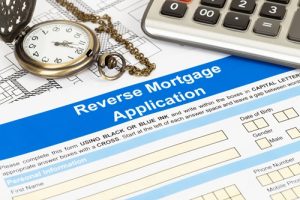
A reverse mortgage in Charleston SC is a financial product for homeowners who want to convert their home equity into cash. Unlike traditional loans, this option doesn’t require monthly repayments as long as you live in the home. Instead, the balance is settled when the home is sold or the ownership changes. This arrangement makes reverse mortgages particularly attractive for retirees who want to maintain their lifestyle while keeping their investment portfolio intact.

Why Is Home Equity Valuable During Retirement?

Home equity represents a significant portion of wealth for many retirees, yet it often remains untapped. For example, during periods of economic uncertainty, liquidating assets might feel like the easiest solution. However, selling investments when markets are down can lead to substantial financial losses. By contrast, using home equity offers a practical alternative to avoid selling assets at an unfavorable time.

Additionally, recent data highlights that homeowners aged 62 and older collectively hold trillions in home equity. This unutilized wealth can provide a financial cushion during retirement, allowing you to access funds for both necessities and luxuries.

Ways to Use Home Equity to Enhance Retirement

Renovating Your Current Home

Many retirees prefer to stay in their homes in Charleston SC, but sometimes renovations are necessary to make the space more comfortable. For instance, installing ramps, upgrading bathrooms, or improving kitchens can make aging in place more feasible. A reverse mortgage can provide the funding for these upgrades without adding monthly expenses to your budget.

Buying a New Home

On the other hand, some retirees prefer to move to a new home that better fits their lifestyle. Whether you want to downsize or relocate to a dream location, accessing home equity allows you to make this transition without significant financial strain.

Reverse-mortgage-in-Charleston-SC-300x200.jpgReverse mortgage in Charleston SC

Helping Family Members

For those who find joy in supporting loved ones, a reverse mortgage can create opportunities to assist family members. For example, you might help a grandchild pay for college or offer financial support for other milestones. These meaningful gestures can make a lasting impact.

Paying Off Debts

Carrying debt into retirement can feel burdensome. Using home equity to eliminate mortgages, credit card balances, or medical bills can significantly ease financial pressure. This way, you can redirect your income toward enjoying retirement.

Fulfilling Long-Awaited Dreams

Retirement is the perfect time to tick items off your bucket list. Whether you dream of traveling, purchasing a classic car, or trying a new hobby, a reverse mortgage can help turn these aspirations into reality. For instance, rather than leaving home equity untouched, you could use it to fund the experiences you’ve always wanted. Consult South Carolina Reverse Mortgage Services for more details.

Preparing for Unexpected Expenses in Retirement

While immediate needs are important, a reverse mortgage also offers a way to prepare for the future. Establishing a line of credit using home equity can provide a safety net for unforeseen expenses. For example, if retirement portfolios take a hit due to market volatility, having additional funds readily available can reduce financial stress. This proactive approach ensures greater security as you navigate the uncertainties of retirement.

Benefits of Using Home Equity in Retirement

Compared to other financing methods, reverse mortgages provide unique benefits:

No Required Monthly Payments: Repayment is optional, easing financial pressure during retirement.

Non-Recourse Loan: You or the heirs won’t owe beyond the home’s value when the loan is repaid.

Flexible Usage: Funds can be used for any purpose, from debt reduction to travel.

Independent Counseling: Borrowers receive guidance to fully understand the loan and its responsibilities.

Retirement should be a time of freedom and fulfillment. If you’re exploring financial options to enhance your lifestyle, a reverse mortgage could be the solution. Call South Carolina Reverse Mortgage Services now to learn how to turn your home equity into opportunities that make retirement truly rewarding!


South Carolina Reverse Mortgage Services
Charleston, SC 29401
843-491-1436

Monday, December 16, 2024

A Comprehensive Guide to Planning and Managing Healthcare Costs in Retirement


Healthcare expenses are often one of the most significant financial concerns for retirees. As medical costs continue to rise faster than general inflation, it becomes even more important to prepare. Whether you’re approaching retirement or simply thinking ahead, taking steps to manage healthcare costs ensures financial stability and peace of mind during your later years.

The Importance of Preparing for Healthcare Costs During Retirement

Healthcare expenses during retirement may feel unpredictable, yet planning for them is crucial. While longer lifespans mean more years to enjoy life, they also bring an increased likelihood of medical expenses. Therefore, taking proactive steps now allows you to mitigate future costs while ensuring access to high-quality care when needed.

Effective Strategies to Manage Healthcare Costs During Retirement

There are several strategies you can adopt to keep healthcare expenses under control while still prioritizing your health and well-being.

1. Save Strategically with a Health Savings Account (HSA)

To begin with, a Health Savings Account (HSA) is one of the most effective tools for managing healthcare expenses in retirement. These accounts allow you to save pretax money, which can later be used for qualified medical expenses. As a result, you benefit from tax savings both when you contribute and when you withdraw for medical purposes.

Additionally, many HSAs offer the opportunity to invest your funds, which helps grow your savings over time. For example, if you don’t need to use all the money right away, you can let it accumulate for future medical expenses. What’s more, there are no mandatory withdrawal requirements, unlike other retirement accounts.

However, keep in mind that you must have a high-deductible health insurance plan to qualify for an HSA. Once you enrol in Medicare, you won’t be able to contribute further. Even so, you can still use the funds to pay for out-of-pocket healthcare expenses such as copays, medications, or other uncovered costs.

reverse-mortgage-in-Charleston-SC-300x200.jpgreverse mortgage in Charleston SC

2. Understand the Scope of Healthcare Coverage

Next, it’s important to familiarize yourself with your healthcare coverage options. For most retirees, Medicare is the primary source of coverage, yet it doesn’t include everything. For instance, standard Medicare consists of Part A, which covers hospital stays, and Part B, which covers doctor visits and outpatient care. However, certain areas, such as vision, dental, hearing aids, and prescription drugs, are not included.

To fill these gaps, many retirees opt for additional plans such as Medicare Advantage or Medigap. These plans often include prescription drug coverage and additional services, which can reduce out-of-pocket costs. Therefore, taking the time to research and compare options ensures you select a plan that fits your needs.

3. Take Advantage of Preventative Services

Furthermore, taking advantage of free preventative care is an excellent way to stay ahead of healthcare costs in Charleston SC. As part of most health plans, preventative services such as wellness visits, flu vaccinations, and screenings for conditions like diabetes or cancer are often covered. By addressing potential health concerns early, you reduce the likelihood of facing larger medical bills later.

For example, scheduling regular check-ups and vaccinations can help identify health issues before they become serious. This proactive approach not only helps you stay healthy but also saves money in the long run.

4. Invest in Your Health and Well-Being

Perhaps one of the most impactful steps you can take is to prioritize your overall health. With more time available during retirement in Charleston SC, it’s a great opportunity to establish healthy habits. For instance, regular exercise, a balanced diet, and sufficient sleep contribute to better physical and mental well-being.

Studies show that retirees who stay active and maintain healthy lifestyles are less likely to develop chronic illnesses. Additionally, exercise has been linked to improved immune function, reduced stress, and better digestion—all of which reduce long-term healthcare expenses. Even if you’re just starting, small changes like daily walks or light yoga can make a big difference over time.

Additional Ways to Reduce Costs During Retirement

If healthcare expenses still feel overwhelming, you might consider alternative options to access additional funds. For example, leveraging your home equity or exploring other financial tools could help ease the burden of unexpected medical costs.

A Smarter Way to Approach Healthcare Costs During Retirement

In the end, managing healthcare costs in retirement is all about preparation and thoughtful planning. By saving strategically, understanding your coverage, and prioritizing preventative care, you set yourself up for a more secure and healthy future. Taking action and consulting South Carolina Reverse Mortgage Services today ensures that your later years remain enjoyable, without the stress of rising medical bills.

Take control of your healthcare costs now. Call South Carolina Reverse Mortgage Services today to explore options and get started on your plan for a healthier, more secure retirement!

South Carolina Reverse Mortgage Services
Charleston, SC 29401
843-491-1436

Friday, December 6, 2024

Understanding Spending Patterns in Retirement


Retirement is an exciting phase of life, filled with opportunities to explore new interests, travel, or simply relax. However, maintaining your desired lifestyle during retirement requires careful planning and attention to financial details. Each stage of retirement comes with unique challenges and spending patterns, making it essential to understand how your needs and priorities will evolve over time.

Preparing for Retirement During the Pre-Retirement Years

As you approach this phase, typically between ages 50 and early 60s, you may find yourself balancing multiple financial priorities. For example, you might be paying for college tuition, assisting with weddings, or upgrading your home. While these expenses are important, it’s equally critical to focus on building your savings during this period.

Additionally, this is the time to start visualizing your post-retirement lifestyle. By evaluating your anticipated income and expenses, you can identify whether your savings align with your goals. If you find your nest egg falling short, you can take proactive steps, such as cutting unnecessary expenses or increasing contributions to your retirement accounts. Furthermore, considering part-time work or freelance opportunities can help supplement your income during these years.

Adjusting to Financial Changes in Early Retirement

The early years of retirement in Charleston SC, often beginning around age 62, are filled with excitement and adjustments. On one hand, you may be eager to travel or pursue hobbies you couldn’t fully enjoy while working. On the other hand, you’ll need to adapt to a limited or fixed income without the regular paychecks you’re used to.

Reverse-Mortgage-in-Charleston-SC-1-300x200.jpgReverse Mortgage in Charleston SC

To navigate this transition, consider when to claim Social Security benefits. While starting at age 62 is an option, waiting until your full retirement age—or even until age 70—can result in significantly higher monthly payments. Additionally, transitioning to Medicare or securing alternative health insurance is an important step, especially if you no longer have employer-sponsored coverage.

For those looking to boost their income, turning a passion into a business or taking on a part-time job can provide financial flexibility. For instance, many retirees enjoy part-time roles at community centers, libraries, or local businesses. At the same time, it’s important to balance high-cost activities, like luxury vacations, with more budget-friendly options to ensure your savings last. For example, you could visit nearby parks, attend free local events, or enjoy quality time with family.

Reassessing Priorities During Mid-Retirement

By your mid-retirement years, typically between ages 70 and 80, you’ll likely have settled into a comfortable routine. This phase often brings additional income sources, such as Social Security and required minimum distributions (RMDs) from retirement accounts. However, it’s also an excellent time to revisit your financial plan and ensure it meets your evolving needs.

For example, some retirees downsize their homes to reduce maintenance costs or relocate to be closer to family. This transition not only lowers expenses but also simplifies daily living. Additionally, exploring senior discounts, tax credits, and other cost-saving measures can help fine-tune your budget.

Managing Healthcare Costs

As you move into your late retirement years in Charleston SC, typically after age 80, healthcare becomes a significant financial consideration. For example, older adults often face rising costs for medical care, including co-pays, prescription medications, and long-term care services.

To prepare for these expenses, it’s important to assess your savings regularly and ensure they can support your needs. Additionally, consider making modifications to your home to enhance safety and accessibility, such as installing grab bars or improving lighting.

Leveraging Home Equity to Support Your Goals

For many retirees, home equity represents a substantial but untapped resource. By using a reverse mortgage, you can convert a portion of your home’s equity into cash, providing a valuable source of income to cover unexpected expenses or support your lifestyle.

For example, reverse mortgage proceeds can be used for medical bills, home improvements, or even travel. Best of all, this option allows you to maintain ownership of your home while freeing up funds for your priorities. Consult South Carolina Reverse Mortgage Services for more information.

Understanding the phases of retirement and how they impact spending is crucial for long-term financial security. By preparing for changes in income, reassessing priorities, and exploring additional financial resources, you can create a strategy that supports your goals and lifestyle.

Ready to take control of your retirement? Call South Carolina Reverse Mortgage Services today and start planning for a secure and fulfilling future!

South Carolina Reverse Mortgage Services
Charleston, SC 29401
843-491-1436


Monday, October 21, 2024

Ways to Maintain Your Credit Score in Retirement


As you transition into retirement, you may find that this phase of life opens up new opportunities for enjoyment and relaxation. With more free time on your hands, you can create lasting memories, indulge in hobbies, and focus on personal wellness. However, to truly make the most of your retirement, it’s essential to prioritize your financial health. One of the most critical aspects of this is maintaining a healthy credit score.

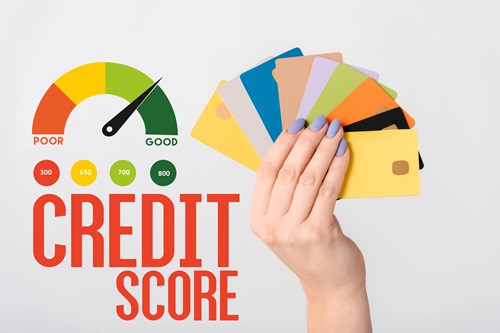
A credit score reflects your creditworthiness and is determined by various factors, including payment history, length of credit history, and the total amount owed. Generally, credit scores range from 300 to 850, and higher scores improve your chances of loan approvals and better terms. Understanding your credit score can greatly enhance your financial well-being during retirement.

Understanding Your Credit Score During Retirement

While your retirement status and income don’t directly affect your credit report, your income may decrease as you rely on savings and Social Security benefits. Consequently, this reduced income means your credit score becomes increasingly important, especially if unexpected expenses arise. Fortunately, there are several proactive steps you can take to maintain or even improve your credit score during your retirement years.

1. Regularly Check Your Credit Report Even In Retirement

To manage your credit effectively, start by assessing your current credit report. Understanding where you stand is crucial for making informed decisions. You can obtain a free copy of your credit report from the major credit bureaus or reliable financial websites. This will help you identify any areas that need improvement. If you’re unsure how to interpret your report, consider seeking advice from a trusted financial advisor.

2. Set Up Payment Reminders

Keeping track of your bills can be challenging, especially with various payments due each month. Therefore, to ensure you never miss a payment, consider setting up automatic payments or reminders for your bills. By staying organized and punctual with your payments, you can prevent late fees and maintain a positive payment history. Even if you’ve struggled with late payments in the past, consistently making timely payments for six months can significantly boost your credit score.

3. Maintain Long-Term Credit Accounts

As you enter retirement in Charleston SC, you likely have long-standing credit card accounts. Keeping these accounts open can positively impact your credit score since the length of your credit history is an important factor in determining your score. In addition, long-standing accounts demonstrate reliability to potential lenders, enhancing your credit profile. Furthermore, these accounts often come with higher credit limits, which can improve your overall credit utilization ratio.

reverse-mortgage-in-Myrtle-Beach-SC-5-300x199.jpgreverse mortgage in Charleston SC

4. Consider Increasing Your Credit Limit

If you’ve maintained a solid payment history, you might be eligible for a credit limit increase. This strategy not only boosts your available credit but can also lower your credit utilization ratio, which is beneficial for your credit score. Therefore, contact your bank to discuss potential increases and how they can positively impact your credit.

5. Evaluate Debt Consolidation Options

If you’re juggling multiple debts, consolidating them into a single loan could simplify your financial management. Debt consolidation often leads to lower interest rates and a single monthly payment, making your financial responsibilities more manageable. Here is where a reverse mortgage can come into play. Utilizing a reverse mortgage to consolidate debts may help streamline your payments, allowing for more manageable cash flow in retirement. However, it’s essential to consult with a financial professional before proceeding to ensure it aligns with your overall financial goals.

6. Explore Credit Repair Services

If you’re struggling to make significant improvements on your own, working with a reputable credit repair service can be beneficial. They can assist you in addressing inaccuracies on your credit report and provide tailored strategies to boost your score. Be sure to evaluate their services carefully to ensure they meet your specific needs.

7. Understanding Reverse Mortgages and Retirement

For retirees, a reverse mortgage in Charleston SC can offer an innovative way to access cash flow without selling your home. Unlike traditional loans, your credit score plays a lesser role in securing a reverse mortgage. Although poor credit might not disqualify you, ensuring you understand the terms is crucial. Additionally, using reverse mortgage funds wisely—such as to pay off high-interest debts—can improve your financial situation and potentially stabilize your credit score. For example, by consolidating debts through a reverse mortgage, you could enhance your cash flow while working to improve your overall credit health.

Taking Charge of Your Financial Future During Retirement

Maintaining your credit score during retirement is essential for ensuring financial stability and peace of mind. By staying proactive and organized, you can enhance your creditworthiness and enjoy this exciting phase of life to the fullest. If you’re looking for more insights into how to manage your finances effectively in retirement, consider exploring options like a reverse mortgage for increased cash flow.

Embrace retirement with confidence and the knowledge that you’re on the path to financial wellness! Call South Carolina Reverse Mortgage Services now.

South Carolina Reverse Mortgage Services
Charleston, SC 29401
843-491-1436