Monday, May 26, 2025

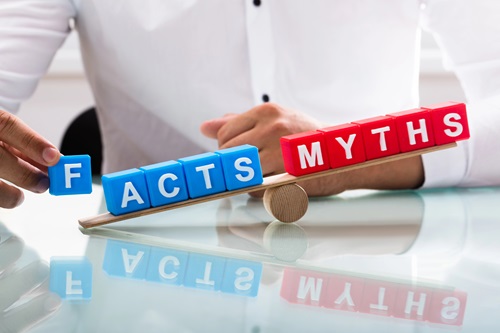
Top 10 HECM/Reverse Mortgage Myths Debunked


Seniors can use reverse mortgages—specifically the Home Equity Conversion Mortgage or HECM (the government-insured reverse mortgage program)—as a valuable financial tool, but many people misunderstand how they work. To clear things up, here are 10 common myths and the facts that explain them

Myth 1: The lender takes ownership of your home.

Fact: You retain ownership and the title to your home. Instead, the lender places a lien on the property, similar to a traditional mortgage, to secure the loan.

Myth 2: You can be forced out of your home if you have a reverse mortgage.

Fact: When you live in the home in Charleston SC as your primary residence, pay property taxes and homeowner’s insurance, and keep the home properly maintained, the lender cannot force you out because of the reverse mortgage. In other words, you stay in your home as long as you meet the loan requirements.

Myth 3: Your heirs will inherit the debt.

Fact: HECMs are non-recourse loans, which means neither you or your heirs are responsible for repaying more than the home’s value when the loan becomes due. Therefore, your family don’t have to deal with any shorfall.

Myth 4: You can’t sell your home or leave it to your heirs.

Fact: You can sell your home at any time. Furthermore, your heirs can also inherit the home, but they would need to either repay the loan balance or sell the property.

Myth 5: Reverse mortgages are only for those in financial distress.

Reverse-mortgage-in-Charleston-SC-1-300x184.jpgReverse mortgage in Charleston SC

Fact: Reverse mortgages can be a strategic financial tool for seniors to supplement retirement income, pay off debts, or even purchase a new home. Consequently, many homeowners in Charleston SC use them.

Myth 6: Both spouses must be 62+ to qualify.

Fact: Only one spouse needs to be 62 or older to qualify, though both spouses’ ages can impact the loan amount and terms. As a result, younger spouses may still benefit.

Myth 7: Reverse mortgage is a government benefit.

Fact: The Federal Housing Administration (FHA) insures HECMs in Charleston SC but they’re loans from private lenders, not government benefits. Thus, they function more like traditional loans with added protections.

Myth 8: You can’t use the reverse mortgage proceeds for anything.

Fact: You can use the loan proceeds for any purpose, including home repairs, healthcare expenses, or supplementing income. In fact, the funds are flexible and can adapt to your needs.

Myth 9: Reverse mortgage is expensive.

Fact: HECMs do include costs such as mortgage insurance premiums and closing fees, but they offer a cost-effective way to access home equity and eliminate monthly mortgage payments. So, make sure to weigh these costs against the potential benefits.

Myth 10: Reverse mortgages will not negatively affect your Social Security or Medicare.

Fact: Proceeds from a reverse mortgage are not considered income and will not affect your Social Security or Medicare benefits. Therefore, your benefits remain intact.

Important Note: While HECMs can be beneficial, they are complex financial products. For this reason, it’s essential to understand the terms and conditions and consult with someone knowledgeable to determine if a reverse mortgage is the right choice for you. You may want to start with a Certified Reverse Mortgage Professional, CRMP.

Call South Carolina Reverse Mortgage Services to know whether a reverse mortgage is the best option for you.

David Stacy, CRMP
(843) 491-1436

South Carolina Reverse Mortgage Services
Charleston, SC 29401
843-491-1436

Top 10 HECM/Reverse Mortgage Myths Debunked


Seniors can use reverse mortgages—specifically the Home Equity Conversion Mortgage or HECM (the government-insured reverse mortgage program)—as a valuable financial tool, but many people misunderstand how they work. To clear things up, here are 10 common myths and the facts that explain them

Myth 1: The lender takes ownership of your home.

Fact: You retain ownership and the title to your home. Instead, the lender places a lien on the property, similar to a traditional mortgage, to secure the loan.

Myth 2: You can be forced out of your home if you have a reverse mortgage.

Fact: When you live in the home in Charleston SC as your primary residence, pay property taxes and homeowner’s insurance, and keep the home properly maintained, the lender cannot force you out because of the reverse mortgage. In other words, you stay in your home as long as you meet the loan requirements.

Myth 3: Your heirs will inherit the debt.

Fact: HECMs are non-recourse loans, which means neither you or your heirs are responsible for repaying more than the home’s value when the loan becomes due. Therefore, your family don’t have to deal with any shorfall.

Myth 4: You can’t sell your home or leave it to your heirs.

Fact: You can sell your home at any time. Furthermore, your heirs can also inherit the home, but they would need to either repay the loan balance or sell the property.

Myth 5: Reverse mortgages are only for those in financial distress.

Reverse-mortgage-in-Charleston-SC-1-300x184.jpgReverse mortgage in Charleston SC

Fact: Reverse mortgages can be a strategic financial tool for seniors to supplement retirement income, pay off debts, or even purchase a new home. Consequently, many homeowners in Charleston SC use them.

Myth 6: Both spouses must be 62+ to qualify.

Fact: Only one spouse needs to be 62 or older to qualify, though both spouses’ ages can impact the loan amount and terms. As a result, younger spouses may still benefit.

Myth 7: Reverse mortgage is a government benefit.

Fact: The Federal Housing Administration (FHA) insures HECMs in Charleston SC but they’re loans from private lenders, not government benefits. Thus, they function more like traditional loans with added protections.

Myth 8: You can’t use the reverse mortgage proceeds for anything.

Fact: You can use the loan proceeds for any purpose, including home repairs, healthcare expenses, or supplementing income. In fact, the funds are flexible and can adapt to your needs.

Myth 9: Reverse mortgage is expensive.

Fact: HECMs do include costs such as mortgage insurance premiums and closing fees, but they offer a cost-effective way to access home equity and eliminate monthly mortgage payments. So, make sure to weigh these costs against the potential benefits.

Myth 10: Reverse mortgages will not negatively affect your Social Security or Medicare.

Fact: Proceeds from a reverse mortgage are not considered income and will not affect your Social Security or Medicare benefits. Therefore, your benefits remain intact.

Important Note: While HECMs can be beneficial, they are complex financial products. For this reason, it’s essential to understand the terms and conditions and consult with someone knowledgeable to determine if a reverse mortgage is the right choice for you. You may want to start with a Certified Reverse Mortgage Professional, CRMP.

Call South Carolina Reverse Mortgage Services to know whether a reverse mortgage is the best option for you.

David Stacy, CRMP
(843) 491-1436
South Carolina Reverse Mortgage Services
Charleston, SC 29401
843-491-1436

Monday, May 12, 2025

Reverse Mortgage: A Practical Way to Use Home Equity During Retirement


If you’re nearing or already in retirement and wondering how to make your money stretch further without selling your home, a reverse mortgage might be the solution you’re looking for. This loan allows you to access your home equity while continuing to live in the property, giving you more financial breathing room without monthly mortgage payments. With the right guidance and a solid understanding of the process, you can make an informed decision that supports your long-term goals.

Let’s explore how it works, why it might suit your needs, and what to consider before taking the next step.

How a Reverse Mortgage Works

With a reverse mortgage, the roles are flipped—you receive payments from your lender instead of making them. The funds come from the equity you’ve built in your home over the years. As a result, your loan balance grows, not shrinks, over time. However, you don’t have to repay it monthly. The loan becomes due only when you move out, sell the home, or pass away.

This setup makes it possible to cover ongoing expenses, fund unexpected needs, or simply enjoy retirement with fewer financial worries, all while remaining in the home you love.

Eligibility Requirements For Reverse Mortgage

To qualify, you usually need to be at least 62 years old, although some private lenders accept applicants in Charleston SC as young as 55. Your home must be your primary residence, and you should have at least 50% equity in it. There’s no strict credit score requirement, but you do need to show you can keep up with property taxes, homeowners insurance, and maintenance. Acceptable properties include single-family homes, HUD-approved condos, and certain manufactured homes.

Options for Receiving Funds

One great advantage of a reverse mortgage is flexibility. You can take the money in several ways. Some choose a one-time lump sum to handle big expenses right away. Others prefer monthly payments for predictable income or a line of credit that lets them borrow only what they need. In many cases, combining these methods provides the best balance of stability and access.

That choice depends entirely on your lifestyle and financial needs, and it’s something worth discussing with a qualified advisor like South Carolina Reverse Mortgage Services before moving forward.

Loan Repayment Explained

There are no regular payments to worry about while you live in the home. Instead, the loan is paid back when the house is sold or no longer your primary residence. Often, the property is sold at that point, and the proceeds are used to settle the balance. If your heirs wish to keep the home, they can repay the loan using other funds.

Types of Reverse Mortgage to Consider

Two main types exist: the government-insured Home Equity Conversion Mortgage (HECM) and proprietary reverse mortgages offered by private lenders. HECMs are more common and require counseling from a HUD-approved advisor to ensure you understand the loan. They also have borrowing limits, which change each year.

On the other hand, proprietary reverse mortgages tend to allow larger loan amounts and may be more suitable for high-value properties. Some even extend eligibility to younger borrowers, starting at age 55.

Why Homeowners Choose Reverse Mortgage

Reverse-mortgage-in-Charleston-SC-300x200.jpgReverse mortgage in Charleston SC

A reverse mortgage appeals to many retirees because it allows them to stay in their home while gaining access to cash. This can be especially helpful when retirement savings, pensions, or Social Security benefits aren’t quite enough. Since the money you receive isn’t considered taxable income, it won’t increase your tax bill either.

You can use the money however you want—whether it’s for everyday bills, home upgrades, medical expenses, or travel. That freedom is part of what makes this option so attractive.

Important Considerations Before Applying For A Reverse Mortgage

That said, reverse mortgages do come with potential downsides. The upfront costs—such as closing fees, mortgage insurance, and lender charges—can be significant. You’re also responsible for continuing to pay property-related expenses, and failure to do so could put your home at risk.

Another factor to consider is how this loan affects your estate. Since the home may be sold to repay the loan, there may be less value left for your heirs. Additionally, receiving a large amount of money could impact your eligibility for certain need-based programs like Medicaid.

That’s why it’s vital to think through your priorities and talk openly with your family members if you’re considering this option.

Who a Reverse Mortgage Might Be Right For

A reverse mortgage works best for homeowners with plenty of equity who plan to stay in their current home for the foreseeable future. If you’re not concerned about leaving the full property value to heirs—or your family is on board with selling the home later—it may fit your retirement plan perfectly.

It’s especially useful if you want to age in place but need more income to do so comfortably. The loan can help cover maintenance, daily expenses, or adjustments to make the home safer and more accessible as you grow older.

Other Financial Options to Explore

If a reverse mortgage in Charleston SC doesn’t align with your goals, you do have alternatives. Some retirees downsize to a smaller home to reduce living costs. Others explore home equity loans or home equity lines of credit, which let you borrow against your equity but come with required monthly payments.

Refinancing your current mortgage to a lower rate or longer term can also help reduce financial pressure. Each of these options offers different pros and cons, so comparing them with expert help is always a smart move.

A reverse mortgage isn’t for everyone, but it offers a powerful way to turn home equity into cash without leaving your home. For many retirees, it provides the added financial flexibility they need to feel secure and stay independent. While it’s important to consider the costs and long-term impact, the potential benefits make it worth a closer look.

Want to see if a reverse mortgage could work for you? Call South Carolina Reverse Mortgage Services now and explore how your home can support the retirement you deserve.

South Carolina Reverse Mortgage Services
Charleston, SC 29401
843-491-1436

Friday, May 9, 2025

Reverse Mortgage Myths: What You Really Need to Know


Despite the growing awareness around retirement planning, many people still misunderstand what a reverse mortgage actually involves. This confusion often causes unnecessary fear and missed opportunities, especially among seniors who could benefit from tapping into their home equity. Even though respected organizations such as AARP offer reliable guidance, myths about the risks of a mortgage continue to circulate.

That’s why it’s so important to separate fact from fiction—especially when financial security is on the line.

A Reverse Mortgage Doesn’t Mean Losing Your Home

One of the most common myths about this type of mortgage is that lenders automatically repossess the home. This simply isn’t true. The borrower remains the legal homeowner throughout the life of the loan. Like any mortgage, this mortgage places a lien on the property, but that’s only to ensure the lender gets repaid once the loan ends.

Additionally, the homeowner can continue living in the house as long as they meet the terms of the agreement, including paying taxes and keeping the home in good condition. There’s no sudden handover of ownership—and no eviction—as long as those conditions are met.

Most Loans Are Federally Backed

Although some people worry about risk, most mortgages issued today fall under the FHA’s Home Equity Conversion Mortgage (HECM) program. This government-backed option includes protections not found in traditional loans, including required counseling and mortgage insurance. That insurance—funded through a standard 2% fee—helps protect both the borrower and the lender.

While private or proprietary reverse mortgage products do exist, even those come with consumer safeguards. In fact, many private lenders offer terms similar to federal programs to remain competitive and trustworthy.

A Reverse Mortgage Isn’t as Expensive as You Think

Reverse-mortgage-in-Charleston-SC-300x200.jpgReverse mortgage in Charleston SC

Some borrowers hesitate because they’ve heard reverse mortgages in Charleston SC cost more than traditional loans. However, this belief doesn’t hold up under closer review. Although the upfront closing costs are slightly higher in some cases, the gap is often less than 1% when compared to FHA loans on the same property.

In addition, mortgages use a different benchmark to calculate interest. Traditional loans typically follow the prime rate, while FHA reverse mortgage rates are based on the one-year U.S. Treasury index. As a result, the rates are often more favorable than many expect.

Your House Doesn’t Automatically Go to the Lender

Another widespread misunderstanding is that the house in Charleston SC transfers to the lender when the borrower passes away or permanently moves out. In reality, this mortgage follows the same rules as any regular mortgage. That means the homeowner’s estate or heirs still control the home’s future.

Once the loan becomes due, the estate has the option to sell the home, pay off the loan, and keep the remaining equity. Alternatively, the heirs can pay the balance themselves and keep the home. Even if the market value drops, reverse mortgage agreements limit repayment to the home’s value—not more—thanks to the non-recourse clause.

Funds Are Not Taxable Income

People also tend to worry about tax implications. But here’s the truth: this mortgage is a loan, not income. That means the money received does not count toward taxable income and doesn’t affect Social Security or Medicare benefits.

This feature makes this mortgage especially appealing for retirees looking to supplement their income without risking essential services. Unlike employment wages or capital gains, the loan funds are tax-free and flexible in how they can be used.

Reverse Mortgage Doesn’t Affect Retirement Benefits

In addition to tax myths, some believe that this mortgage could jeopardize Social Security or health benefits. Again, this is inaccurate. Because the proceeds are considered borrowed money—not earnings—they do not count against income thresholds used to determine eligibility for those programs.

Of course, it’s always wise to consult South Carolina Reverse Mortgage Services when considering major decisions. Still, for most retirees, this mortgage won’t interfere with the support they currently receive.

Myths Are Easy to Bust with Real Information

Ultimately, the negative reputation surrounding mortgage loans often comes from outdated or incorrect information. When you take time to understand the structure and protections built into the process, you’ll see that this mortgage can be a powerful financial tool for older homeowners.

Instead of fearing the unknown, it’s helpful to review official resources or speak with a certified advisor. That way, you’ll gain clarity and make decisions based on facts, not fear.

Curious if a reverse mortgage fits your retirement goals? Call South Carolina Reverse Mortgage Services now and get personalized guidance to make a confident decision.

South Carolina Reverse Mortgage Services
Charleston, SC 29401
843-491-1436

Tuesday, April 29, 2025

How Reverse Mortgage Loan-to-Value Ratios Affect Your Borrowing Power


Understanding the financial side of a reverse mortgage is key to making smart decisions about your home’s equity.  The LTV ratio determines how much money you can receive from a reverse mortgage. Knowing how it works helps you plan better for the future.

If you’re considering tapping into your home’s equity, learning about LTV ratios in the context of a reverse mortgage is a great starting point.

What Is a Loan-to-Value Ratio?

The LTV ratio measures the relationship between the loan amount and the appraised value of your home. Put simply, in a reverse mortgage, the LTV ratio shows the percentage of your home’s value that you can borrow.

Because a higher LTV ratio means less leftover equity, understanding this number is crucial before moving forward. Although every case is unique, the basics of calculating an LTV ratio remain fairly consistent across different loan types.

How to Estimate Your Reverse Mortgage Loan-to-Value Ratio

While official numbers come from lenders, you can estimate your LTV ratio with a simple formula. First, divide the expected loan amount by your home’s appraised value. Then, you should multiply it by 100 to get a percentage.

For example, if your home appraises at $400,000 and you qualify for a $250,000 reverse mortgage. So, the calculation looks like this:

Loan Amount ÷ Appraised Value = LTV Ratio
$250,000 ÷ $400,000 = 0.625
0.625 × 100 = 62.5%

Thus, your LTV ratio would be 62.5%, meaning you could borrow up to 62.5% of your home’s appraised value. Because estimating early helps manage expectations, it’s always wise to have a rough idea before speaking with a lender.

Factors That Influence Reverse Mortgage Loan-to-Value Ratios

Reverse-mortgage-in-Charleston-SC-300x200.jpgReverse mortgage in Charleston SC

Several factors can impact the amount of money you can access through a reverse mortgage. While you can’t control all of them, understanding these elements prepares you for better financial decisions.

Age of the Borrower: The older you are, the higher your LTV ratio tends to be. Since lenders assume older borrowers will hold the loan for a shorter period, they allow a higher percentage of the home’s value.

Interest Rates: Lower interest rates usually allow higher LTV ratios. When loan balances grow more slowly, lenders can offer more upfront without increasing risk.

Home Value: Naturally, the more your home is worth, the more you can borrow. A higher appraisal translates into a higher LTV ratio, which benefits borrowers.

Type of Reverse Mortgage Loan: Home Equity Conversion Mortgages (HECMs), insured by the government, often allow higher LTV ratios compared to private or proprietary reverse loans.

Current Loan Balances: If you have a small or fully paid-off existing mortgage, you’ll usually qualify for a higher LTV ratio since there’s less debt to settle first.

Because all these factors interact differently, it’s essential to review your specific situation carefully with a lender.

Why a High Loan-to-Value Ratio Matters

Although you might not control your exact LTV ratio, it’s important to understand how it impacts your financial flexibility with a reverse mortgage in Charleston SC. Here are some key ways a higher LTV ratio plays into your loan:

Greater Access to Equity: A higher LTV ratio means more cash available for renovations, healthcare costs, travel, or simply enhancing your quality of life. Consequently, many borrowers use these funds to achieve long-awaited goals.

Limited Future Equity: Drawing a large amount upfront could leave little equity for future needs, refinancing, or leaving an inheritance. Because life circumstances can change, it’s wise to plan carefully.

Increased Interest Payments: Since you’re borrowing more, interest charges over the life of the loan can add up faster, slightly reducing your remaining equity. Yet, understanding this tradeoff allows you to balance short-term needs with long-term financial planning.

Higher Monthly Payments: Some borrowers prefer monthly disbursements. A high LTV ratio often results in larger payments, which can significantly help those living on fixed retirement incomes by providing extra breathing room.

Making Smart Decisions 

Choosing a reverse mortgage is a big decision, so understanding how the loan-to-value ratio fits into the bigger picture is vital. Whether you’re seeking a lump sum, steady monthly payments, or a flexible line of credit, knowing your potential LTV ratio helps you plan your financial future with more confidence.

Additionally, working closely with a knowledgeable professional like South Carolina Reverse Mortgage Services ensures you maximise the benefits while staying informed about how much of your home’s value you’re tapping into. Although navigating these choices might feel complex at first, gaining clarity early empowers you to make decisions that fit your life today and tomorrow.

If you’re ready to explore your options and see how much you could qualify for, call South Carolina Reverse Mortgage Services now to speak with a reverse mortgage expert and discover the possibilities waiting for you!

South Carolina Reverse Mortgage Services
Charleston, SC 29401
843-491-1436

Wednesday, April 23, 2025

Why the Reverse Mortgage Still Gets a Bad Rap—And Why That’s Finally Changing


For decades, the term reverse mortgage has carried a stigma. Words like “scam” or “trap” still get tossed around in conversations about it. Yet, the truth is far more nuanced. In fact, reverse mortgages have helped countless homeowners tap into their equity, increase retirement income, and stay in their homes longer. So why does public opinion remain so split?

To fully understand where the skepticism comes from—and why it’s gradually shifting—we need to look at how the reverse mortgage evolved, what went wrong early on, and how regulatory safeguards have changed the game.

A Reverse Mortgage Was Originally Meant to Help, Not Harm

The very first reverse mortgage was created in the early 1960s. It was made to solve a single problem. How could an elderly widow remain in her home after losing her spouse’s income? This groundbreaking idea allowed her to access her home’s equity without selling the property or making monthly loan payments.

As the concept caught on, banks began offering these loans through the 1970s and ’80s. However, because the product was new, there were few regulations to protect borrowers. And while there were no inherent flaws in the design, there was confusion, misuse and negative consequences because of the lack of oversight.

How Early Gaps in Oversight Led to Misunderstanding

By the late 1980s, the federal government stepped in. The Department of Housing and Urban Development (HUD) launched the Home Equity Conversion Mortgage (HECM) program, a government-insured version of the reverse mortgage. This marked a turning point—but not without a few more bumps in the road.

Lump-sum withdrawals led to financial shortfalls

Before 2013, some borrowers took their entire loan amount upfront, spending it quickly and leaving nothing for future expenses. To prevent this, HUD implemented a rule that now limits access to 60% of proceeds in the first year, unless required for mandatory expenses. This adjustment has significantly reduced early financial missteps.

Many borrowers underestimated ongoing obligations

Although a reverse mortgage in Charleston SC eliminate monthly mortgage payments, borrowers still must pay property taxes, insurance, and upkeep costs. Many homeowners didn’t prepare adequately, so they ended up facing foreclosure. Today, lenders require a financial assessment. If borrowers don’t meet the obligations, lenders may use a Life Expectancy Set-Aside (LESA) to reserve funds specifically for those costs.

Terms weren’t always fully understood

Reverse-mortgage-in-Columbia-SC-1-300x200.jpgReverse mortgage in Columbia SC

Originally, it was up to loan officers to explain the product. Now, all borrowers must attend a HUD-approved counseling session. This ensures that they fully understand how the loan works, how it becomes due, and what responsibilities are involved in keeping it in good standing.

Standardization Changed the Face of the Reverse Mortgage

Another early issue was inconsistency. Lenders could decide how they wanted to offer and market reverse mortgages, and that inconsistency sometimes led to mistrust. However, that changed in the late 1990s with the formation of a national industry association to create ethical standards, advocate for borrower protections, and educate the public.

Since then, uniform guidelines and required certifications have improved transparency—and trust.

Why the Reverse Mortgage Reputation Still Lingers

Even with decades of improvements, reverse mortgages still struggle to shed outdated myths. But why?

They’ve been misused in scams

Unfortunately, fraudsters have occasionally used the reverse mortgage structure as a tool to exploit seniors. These aren’t flaws in the product, but rather criminal abuse of it. Today, advisors urge borrowers to work only with HUD-approved lenders and ensure they never feel pressured into taking a reverse mortgage.

The name itself is misleading

“Reverse” sounds negative. It implies going backward rather than forward, which can make people feel uneasy—especially when making a major financial decision. While the term technically describes how the loan works (you receive payments instead of making them), the wording hasn’t done the product any favors.

Negative stories stick

Media tends to highlight rare worst-case scenarios rather than everyday success stories. For example, one headline about an elderly couple losing their home will always attract more attention than hundreds of borrowers  in Charleston SC who’ve used a mortgage responsibly and improved their retirement quality as a result.

The Truth: Most Borrowers Like Reverse Mortgage

Recent studies show a very different story than the outdated horror tales.

In a 2010 survey, nearly 80% of seniors like their mortgage, and 43% rated their satisfaction a perfect 10 out of 10.

A 2016 study revealed that over 80% of borrowers reported a positive experience.

More recently, a 2020 Journal of Gerontology study showed that seniors with mortgages reported higher levels of housing satisfaction and overall life satisfaction compared to those who didn’t have one.

Because these results speak volumes, they’re worth paying attention to.

A Smarter Future

Thanks to better education, improved loan structures, and rigorous government oversight, today’s reverse mortgage is safer and more accessible than ever. While public opinion may take time to catch up, the facts are clear. This is no longer an option to fear—it’s a tool to understand. Talk to South Carolina Reverse Mortgage Services for a more detailed explanation.

Done right, a reverse mortgage helps older homeowners tap into their equity while staying in the place they know and love. It offers financial freedom with no monthly payments, and—most importantly—it puts more control in the hands of the homeowner.

Want to know if a reverse mortgage fits your future plans? Call South Carolina Reverse Mortgage Services now to get expert guidance and clarity before making your next move.

South Carolina Reverse Mortgage Services
Charleston, SC 29401
843-491-1436